Skip to content
MCCIC logoMelbourne Complex Cardiac

Procedures & Technology

Advanced technology. Minimally invasive care.

Tools and techniques that make complex stenting safer and more precise — often with same-day or next-day discharge.

Chronic Total Occlusion (CTO) PCI

Chronic Total Occlusion (CTO) PCI

Advanced wire techniques and hybrid algorithms to reopen arteries that have been completely blocked for months or years — without open-heart surgery.

Read more

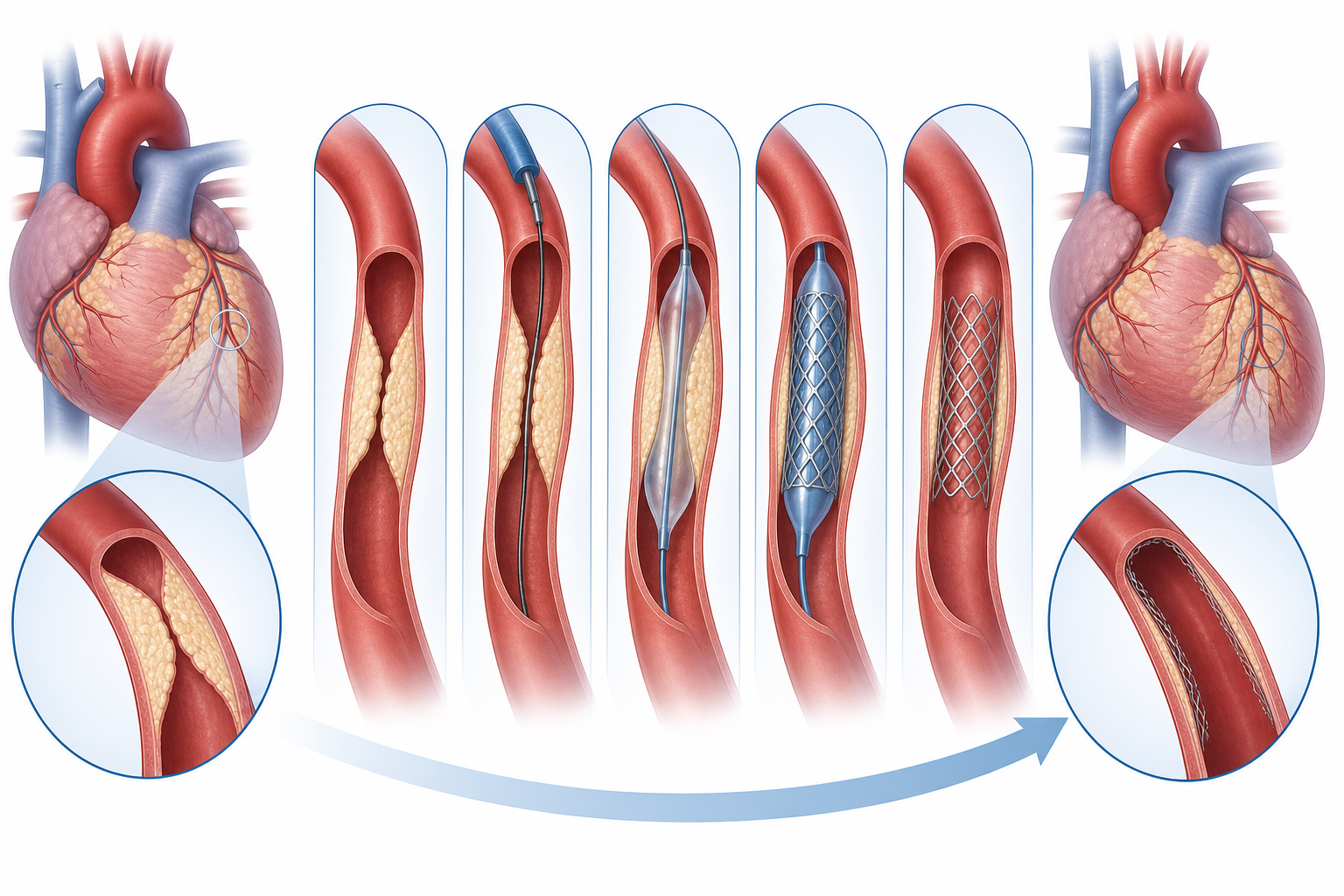
When an artery has been completely blocked for months or years, standard stents often fail. Our specialists use advanced wire techniques and hybrid algorithms to reopen these vessels successfully in the majority of cases.

CTO PCI is designed for patients living with limiting angina, breathlessness, or fatigue who have been told their blockage is “too chronic” or that bypass is the only option. Many patients return home the same or next day.
Intravascular Lithotripsy (Shockwave)

Intravascular Lithotripsy (Shockwave)

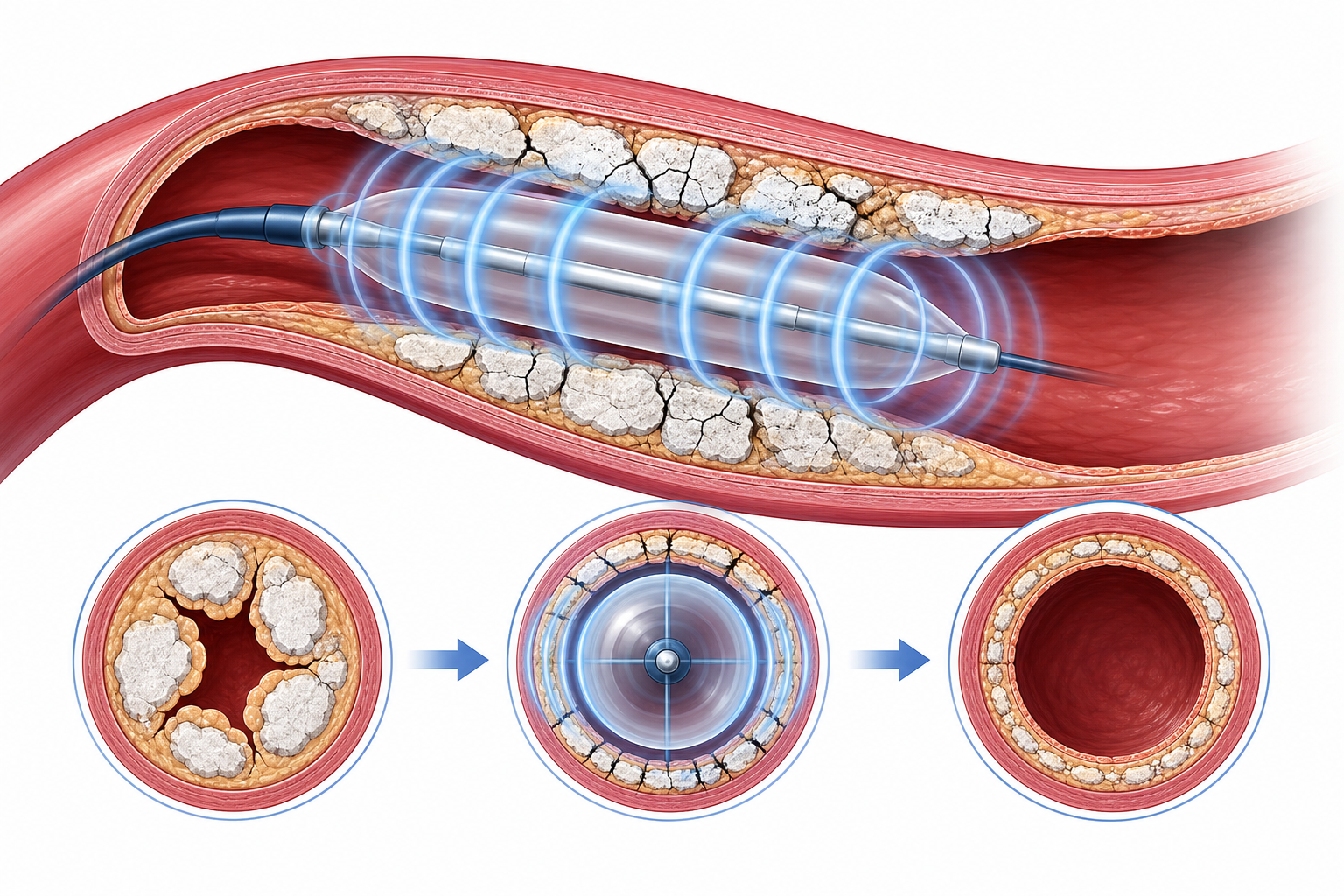
Sonic pressure waves gently fracture hard calcium so stents can expand properly — safe, effective calcium treatment for heavily calcified arteries.

Read more

Intravascular lithotripsy is the latest “calcium-cracking” technology. A specialised balloon delivers sonic pressure waves that fracture hard calcium within the artery wall, allowing stents to expand evenly and safely.

It is increasingly used in Australia for heavily calcified coronary disease and can make stenting possible where conventional approaches struggle.

Rotational Atherectomy (Rotablation)

Rotational Atherectomy (Rotablation)

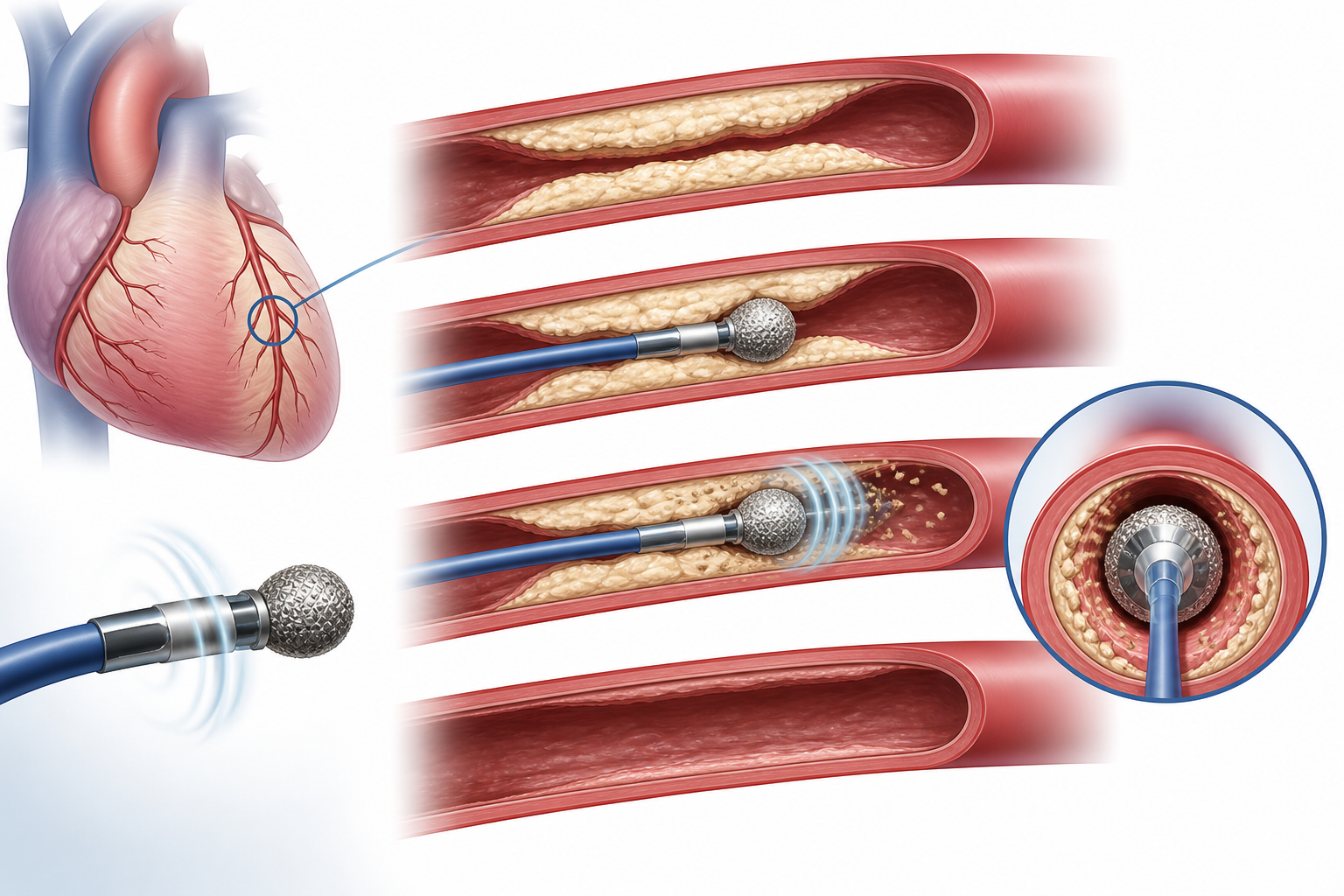
A tiny diamond-coated burr carefully drills through tough calcium, preparing the artery for successful stenting.

Read more

Rotational atherectomy uses a tiny diamond-coated burr to modify stubborn calcium that would otherwise prevent a balloon or stent from expanding. It is a well-established tool in complex PCI and is often combined with imaging and other calcium-modification strategies.

Precision Imaging (IVUS & OCT)

Precision Imaging (IVUS & OCT)

High-resolution inside-the-artery imaging for precise stent placement, fewer complications, and better long-term results.

Read more

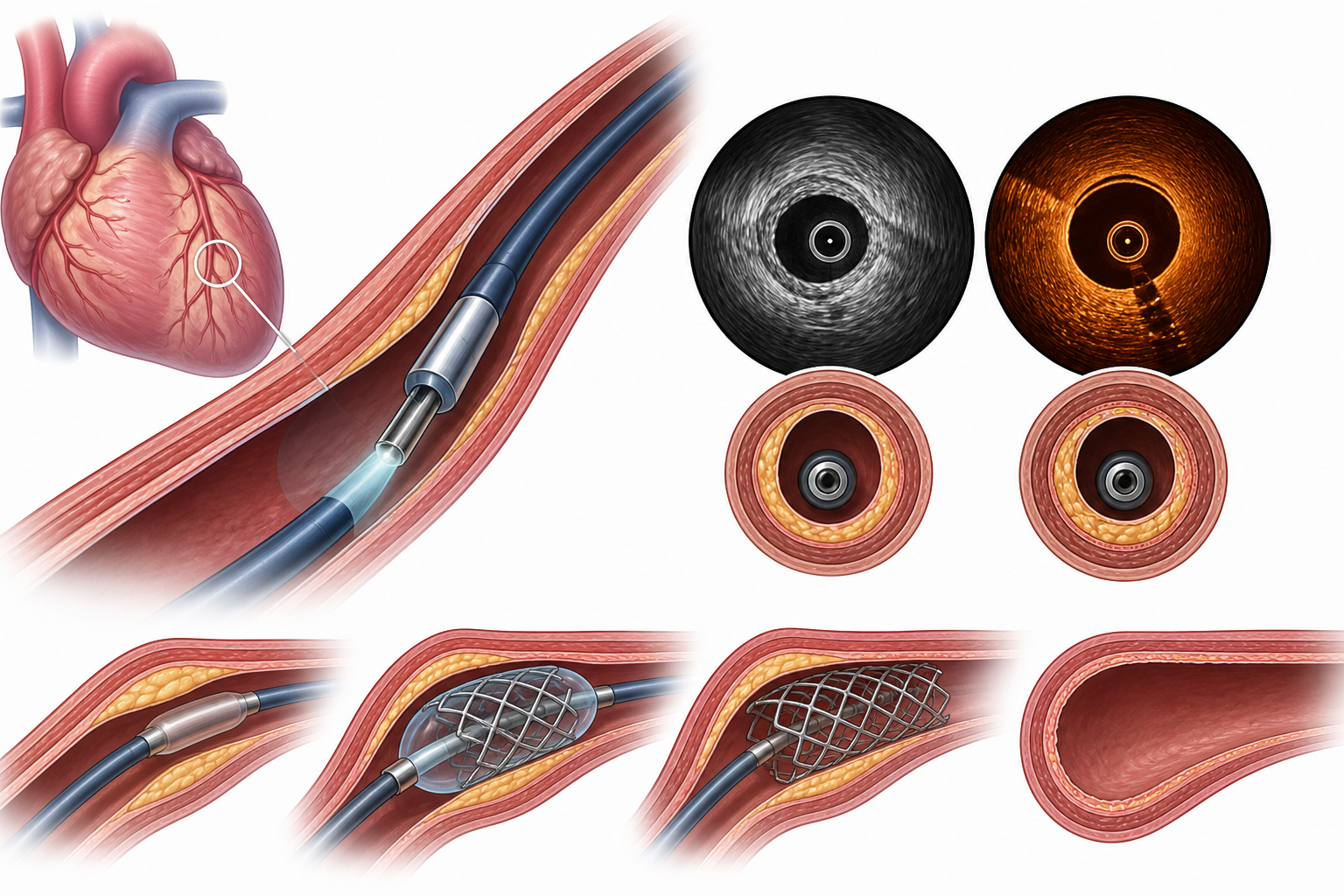
We don’t guess — we see inside the artery in real time. Intravascular ultrasound (IVUS) and optical coherence tomography (OCT) provide detailed images of vessel size, plaque, and stent expansion.

This precision reduces the risk of incomplete stent expansion and helps improve long-term outcomes after complex intervention.

What to expect

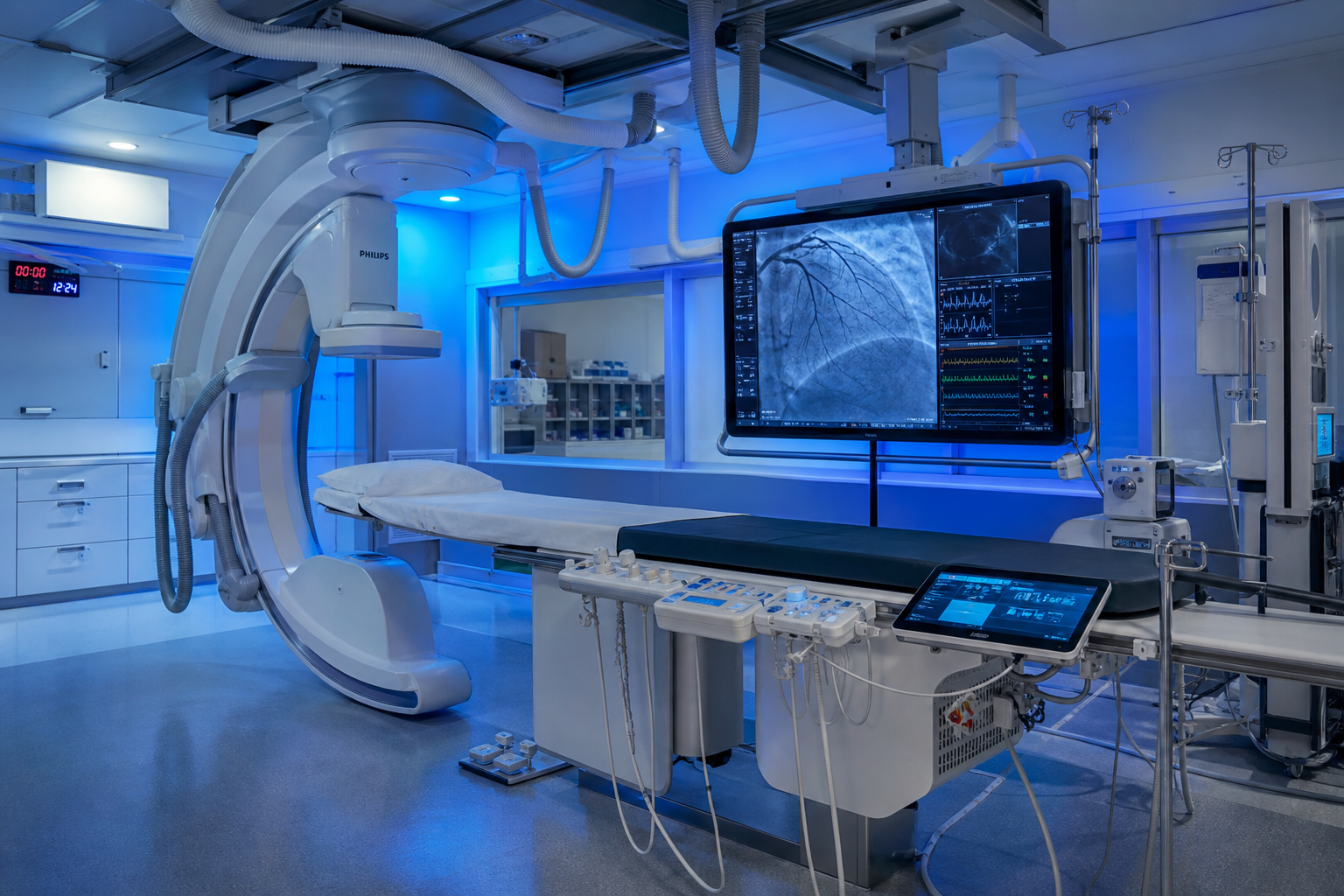
Most complex PCI procedures are performed via the wrist (radial approach). Recovery is dramatically faster than open bypass surgery for suitable patients, and many people go home the same or next day.

You will meet your interventional cardiologist, understand the plan in clear language, and know your care team in the cath lab.

Risks vs benefits: PCI and bypass

Consideration Complex PCI (our focus) Open-heart bypass
Invasiveness Minimally invasive via wrist or groin Sternotomy (chest opened)
Typical hospital stay Often same or next day Several days or longer
Recovery Days to weeks for many patients Weeks to months
Best suited for Selected CTO, calcified, and complex lesions Multi-vessel disease where surgery is preferred
Decision factors Anatomy, symptoms, prior procedures, surgical risk Heart team discussion of anatomy and comorbidities

Individual suitability is always assessed carefully. Some patients are best served by surgery, some by PCI, and some by medical therapy alone.

Already have an angiogram?

Contact us for a rapid second opinion. We welcome complex and previously declined cases.